As our world continues to face natural disasters such as earthquakes, it has become more important than ever to ensure that buildings are equipped with the necessary measures to withstand seismic activity. One of the key components in ensuring the safety of a building during an earthquake is the installation of a seismic bracing kit.
A seismic bracing kit is a set of components designed to secure equipment, ductwork, piping, and other systems within a building to prevent them from becoming hazards during an earthquake. These kits are essential in protecting not only the building itself but also the people inside it. Without proper seismic bracing, equipment and structures can become dislodged, causing extensive damage and potential harm to occupants.
There are several key components that make up a seismic bracing kit. The first component is the bracing itself, which is typically made of steel and is used to secure equipment and systems to the building’s structure. Bracing comes in various sizes and strengths, depending on the weight and size of the items being secured.
In addition to bracing, seismic bracing kits also include anchors, fasteners, and sway braces. Anchors are used to attach the bracing to the building’s structure, while fasteners are used to secure the equipment or systems to the bracing itself. Sway braces are designed to absorb and dissipate the energy generated by the movement of the building during an earthquake, reducing the risk of the equipment becoming dislodged.
One of the key advantages of seismic bracing kits is their versatility. These kits can be customized to fit the specific needs of a building, whether it is a high-rise office building, a hospital, or an industrial facility. By working closely with engineers and consultants, building owners can ensure that their seismic bracing kit is tailored to provide maximum protection for their specific structure.
seismic bracing kits are not only important in new construction but also in existing buildings that may not have been designed to withstand seismic activity. Retrofitting a building with a seismic bracing kit can greatly increase its safety and resilience in the event of an earthquake. In fact, many building codes now require the installation of seismic bracing in both new and existing structures to ensure the safety of occupants.
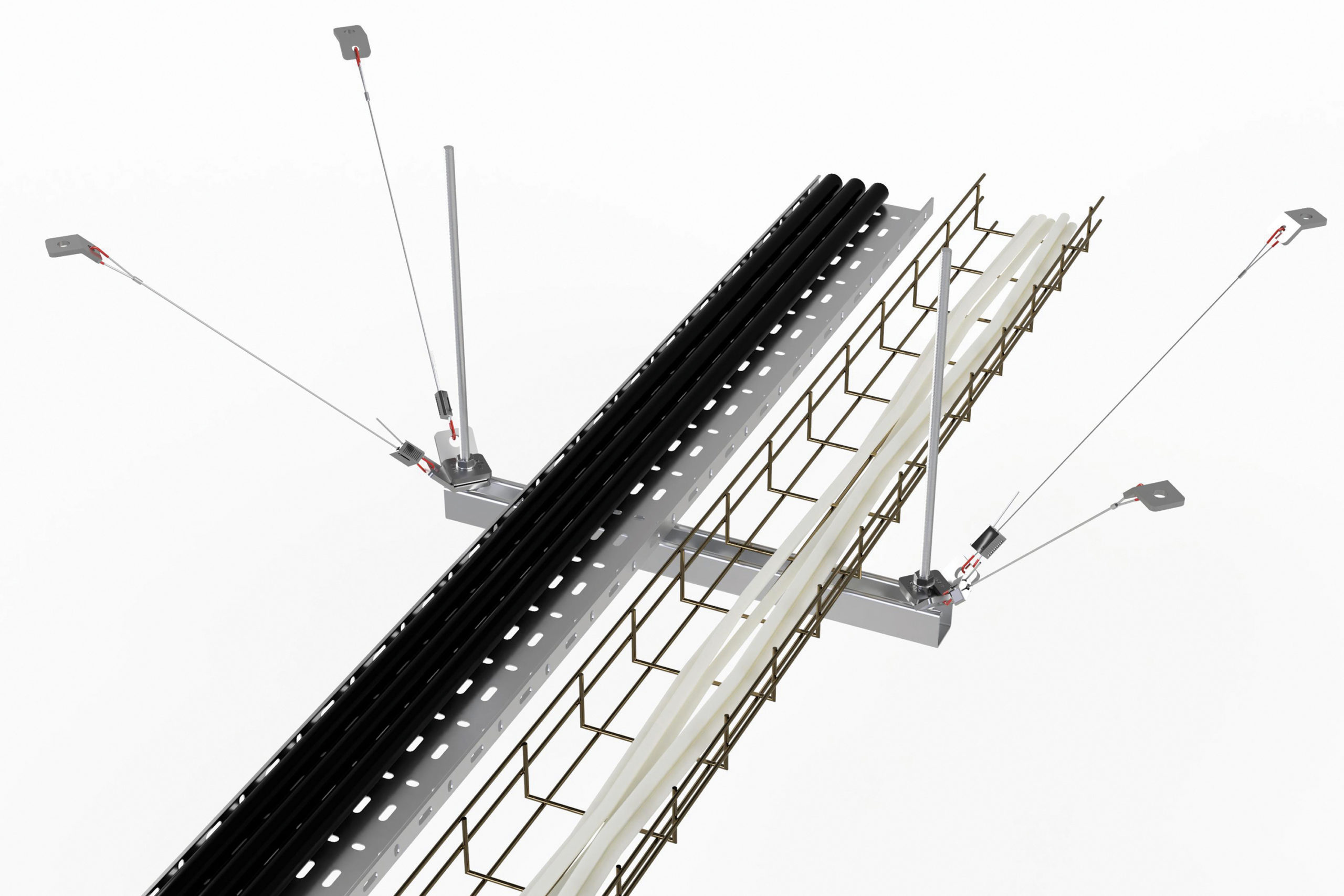
In addition to protecting equipment and systems, seismic bracing kits can also help prevent damage to the building itself. By securing heavy items such as HVAC units, piping, and electrical equipment, these kits can reduce the risk of structural damage caused by internal movement during an earthquake. This can result in significant cost savings for building owners by minimizing the need for repairs and renovations after a seismic event.
Furthermore, seismic bracing kits can also help to ensure that buildings remain operational after an earthquake. By preventing equipment failures and damage to critical systems, these kits can help to minimize downtime and ensure that essential services such as power, water, and communications remain intact. This can be especially important in facilities such as hospitals, data centers, and government buildings where uninterrupted operation is crucial.
In conclusion, seismic bracing kits play a vital role in ensuring the safety and resilience of buildings in the face of seismic activity. By securing equipment, ductwork, piping, and other systems, these kits can prevent damage and injuries during an earthquake. Building owners should work with experienced engineers and consultants to design and install a seismic bracing kit that meets the specific needs of their structure. With the right seismic bracing in place, buildings can withstand earthquakes and continue to function effectively in the aftermath of a seismic event.